
Security
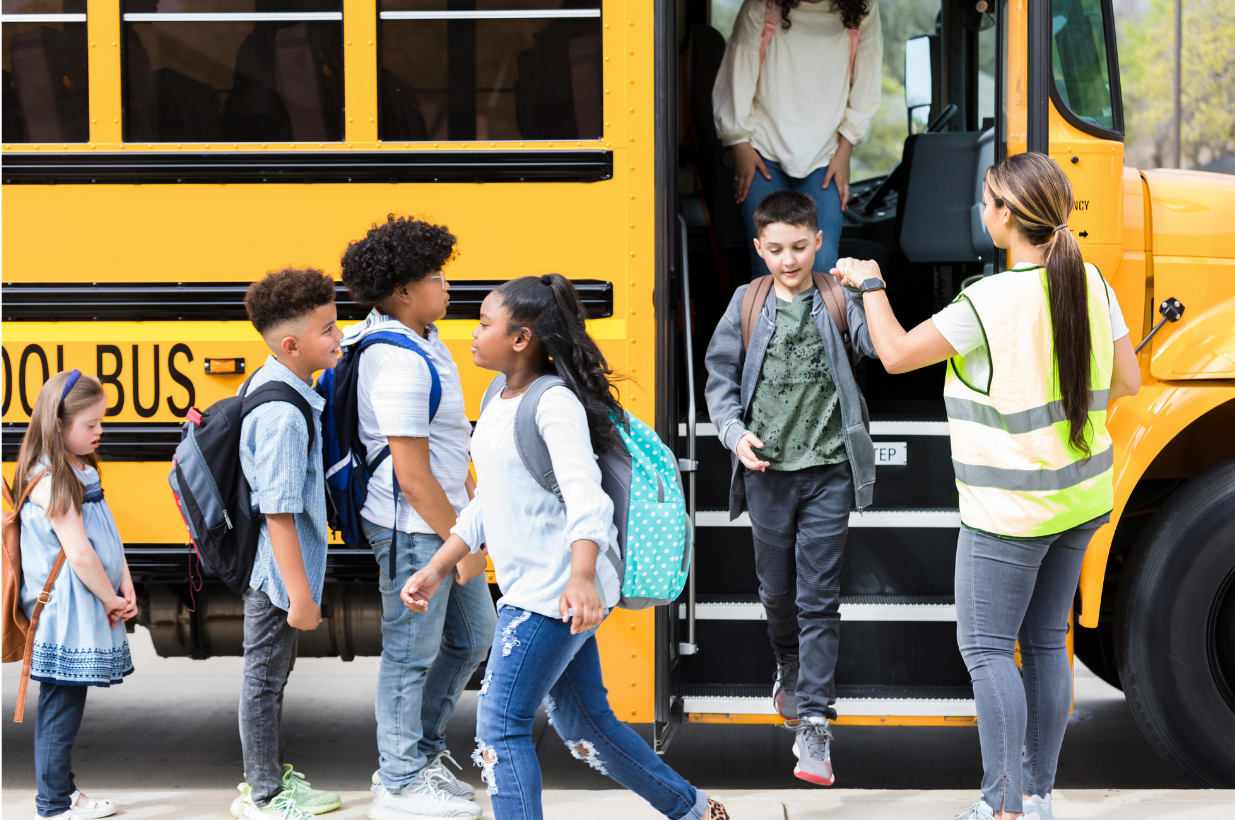
In Prince George’s County, “public safety” has too often been reduced to a political term focused on punishment after harm has already occurred. Greg believes real security must be broader, smarter, and more effective – and rooted in prevention, partnership, and measurable results.
His vision brings community safety and school safety together, recognizing that secure neighborhoods and strong educational environments are inseparable.
Greg’s Integrated Security Framework
-
Security starts long before a crime or crisis occurs. Greg supports proactive strategies that reduce risk, address root causes, and create stable environments for families and students. Prevention includes early intervention, youth engagement, mental health support, and programs that keep young people connected to positive opportunities.
-
Safety is a shared responsibility. Greg’s approach strengthens collaboration among law enforcement, educators, faith leaders, community organizations, families, and local institutions. Schools are central to this network—when they are supported, the entire community benefits.
-
Effective security requires coordination, not improvisation. Greg supports data driven, forward looking strategies that align county agencies, school leadership, and community partners. This ensures that safety protocols, emergency planning, and student support systems are consistent, modern, and effective.
-
Residents deserve transparency and clear standards. Greg’s vision includes accountability across all systems—public safety agencies, school leadership, and community partners—so that commitments are kept and progress is measurable.
-
Security must be felt in everyday life. Greg prioritizes measurable improvements: safer neighborhoods, stronger school climates, reduced incidents, and increased confidence among residents, parents, and students.
-
Greg’s security vision places schools at the center of community wellbeing. Safe schools are not just an education issue—they are a public safety priority.
His approach includes:
• Safe, supportive learning environments where students and educators feel protected physically, emotionally, and socially.
• Stronger school community partnerships that connect families, mental health professionals, and community organizations.
• Prevention through education, including mentorship, afterschool programs, and opportunities that keep young people engaged and on a positive path.
• Mental health and behavioral support so students have the resources they need to thrive.
• Safe routes and safe surroundings, ensuring that the areas around schools are well lit, well maintained, and supported by community presence.